An intimate wedding feels meaningful when its smaller guest list allows more attention for the people present. Start with the relationships you want to celebrate, then choose a setting, meal, and ceremony that support conversation. A small wedding does not need miniature versions of every large-wedding tradition.
There is no single guest count that defines intimacy. A dinner for twelve and a celebration for forty can both feel personal. What matters is how the space, schedule, and hosting choices allow you to spend time with your guests.
Decide what a smaller wedding makes possible
Write down what attracts you to the format. Perhaps you want to share one table, avoid a long receiving line, or spend the weekend with family. Those aims should influence the venue and timing. A small guest list in an oversized hall can still feel distant.
Be honest about expectations. A smaller event may simplify some logistics, but it can create sensitive invitation decisions. Agree on a consistent approach before discussing plans widely. You do not have to describe the event as a compromise if it is the celebration you actually want.
Make the guest list with clear boundaries
Start with people you would want beside you even if there were no photographs or traditions to organize. Compare lists together and discuss partners, children, and family groups. Apply your decisions consistently, while recognizing that individual circumstances sometimes need a thoughtful conversation.
Communicate directly with anyone likely to misunderstand. “We’re having a very small ceremony and dinner with immediate family” is clearer than vague promises about celebrating later. Avoid offering a second event unless you genuinely intend to organize one.
Choose a venue that already has atmosphere
A restaurant private room, a garden with suitable facilities, or a small historic space may need less decoration than an empty hall. Look for proportions that suit your table layout and room for guests to move comfortably. Ask about sound, privacy, and access as well as appearance.
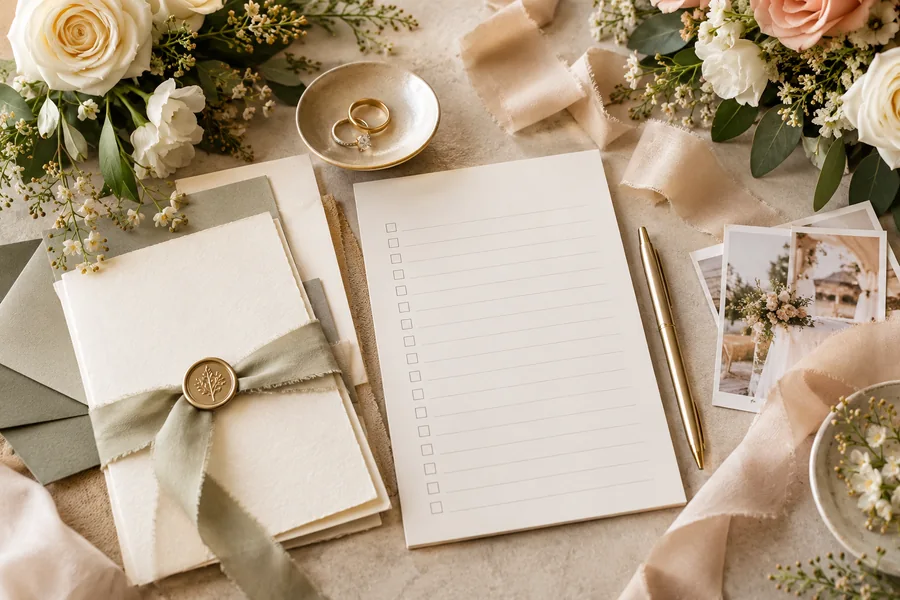
Home weddings require practical planning too. Check restrooms, parking, power, waste removal, weather protection, and any local requirements with the relevant providers or authorities. Borrowed space is not automatically simpler. Our wedding planning checklist helps map these dependencies before you commit.
Budget for fixed costs as well as guests
A smaller head count may reduce per-person spending, but photography, rentals, transport, and minimum venue charges may remain. Ask suppliers to separate fixed fees from guest-based charges so you can compare proposals accurately.
Choose where you want the extra attention to go. You might prefer a longer meal to elaborate flowers, or a comfortable shuttle to favors. Avoid assuming that fewer guests means every detail can be upgraded. A clear total still protects you from an accumulation of small decisions.
Make the ceremony personal and welcoming
Personalization can be simple: a reading that matters to you, music with a shared association, or a short explanation of a chosen tradition. Include guests in ways they can comfortably accept. Ask privately before assigning a reading or speaking role.
Discuss the ceremony order with the officiant and confirm any legal requirements through the appropriate local authority. Keep private vows private if that feels more natural. An intimate audience does not create an obligation to reveal every personal detail of your relationship.
Plan a reception around conversation
A shared table can work beautifully, but think about its dimensions and the room’s acoustics. Tall arrangements may block sightlines; loud background music may make conversation tiring. Ask the caterer how the service style will affect table space and the pace of the meal.
Consider a relaxed sequence of welcome drinks, dinner, a few short toasts, and dessert. If dancing matters to you, leave real space and time for it. If it does not, a long meal and a comfortable lounge area can be a complete reception.
Add details guests will actually notice
A handwritten place card with a sentence of thanks can feel more personal than a generic favor. A small display of meaningful photographs can invite conversation without turning the event into a museum. Choose details you can finish without sacrificing your final week to repetitive tasks.
For message ideas, our heartfelt wedding wishes can help guests contribute notes to a keepsake box. Explain the activity in one sentence and make participation optional. Leave pens that work and enough table space for someone to write comfortably.
Look after practical comfort
Ask guests privately about dietary and access needs. Confirm arrangements with the venue instead of relying on a general claim that the space is suitable for everyone. Clear paths, comfortable seating, shade, and easy restroom access deserve attention even in a beautiful setting.
Give visitors useful travel information. Include parking instructions, the actual walking surface, and a realistic finish time. If the venue is remote, consider how guests will leave safely. A warm welcome includes the journey home as well as the arrival.
Keep the schedule spacious
A small wedding can still become overfilled if every guest is invited to give a speech or every moment needs an activity. Allow time to greet people naturally. Build a pause between the ceremony and dinner rather than moving everyone immediately into another task.
For photographs, agree on the essential groups beforehand. Tell the people involved when and where they are needed. Our engagement photo outfit guide also offers useful principles for comfortable, coordinated clothing if you are planning a relaxed portrait session around the event.
Prepare a real weather alternative
If any important part of the day is outdoors, decide where it moves in rain, wind, or uncomfortable temperatures. Confirm capacity and equipment before the wedding week. A covered corner is not a complete backup if dinner tables cannot fit there.
Choose the decision-maker and deadline for changing the plan. Share that information with suppliers so nobody is waiting for conflicting instructions. A clear alternative lets you enjoy the setting without needing perfect weather to make the celebration work.
Let small be enough
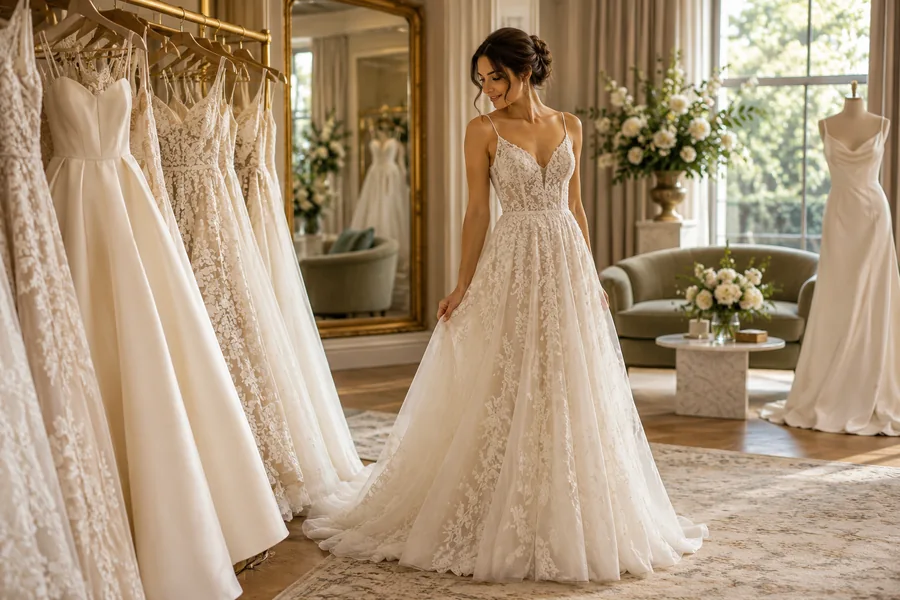
You can omit traditions that do not serve your day. You can also keep a formal dress, a first dance, or a beautiful cake if those things matter to you. Scale is not a rule about style.
Before adding one more detail, ask whether it helps the people present feel included and cared for. An intimate wedding becomes memorable through attention, conversation, and the freedom to celebrate in a way that fits your relationship.